Digital Signs in Arizona Heat: What Tucson, AZ Business Owners Need to Know in 2026
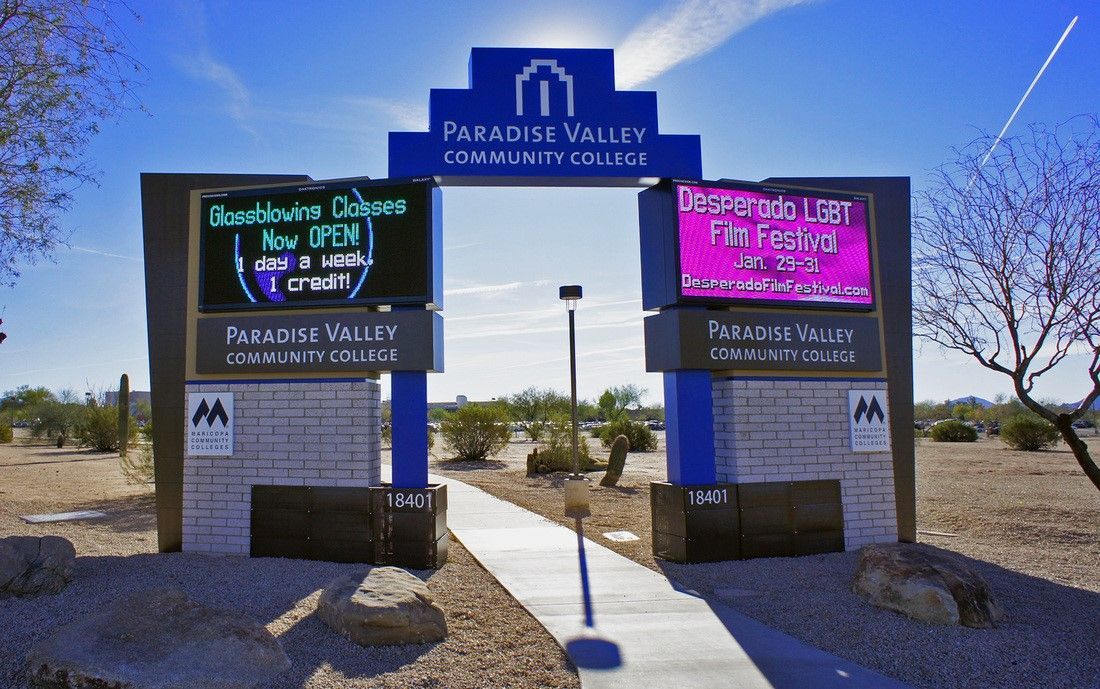
Investing in a digital sign in Tucson, AZ, is a smart move for visibility, but the Sonoran Desert climate introduces challenges most business owners never think to ask about. Tucson sees over 300 days of sunshine per year, with summer highs frequently above 105 degrees and a UV Index that regularly peaks at 11. Those conditions affect electronics in ways that matter for your bottom line. Call us at (602) 278-2906 for a free consultation before the next heat season hits.
Why Tucson's Desert Climate Is Harder on LED Signs Than Most Cities
Heat and UV exposure are the two biggest threats to sign longevity, and Tucson delivers both year-round. Standard commercial LED displays typically operate between -40°F and 185°F, but a metal enclosure under direct afternoon sun can exceed ambient air temperatures significantly. When internal junction temperatures rise past rated limits, results can include flickering, early dimming, and permanent color shifts. Prolonged UV radiation compounds the problem by breaking down sign materials, causing fading, cracking, and reduced brightness over time.
What Specs Actually Matter When Choosing a Digital Sign for Tucson?
Desert installations call for stricter standards. Here are the core specs to ask about before you commit.
IP-Rated Enclosures
Fully outdoor screens need an IP55 or IP65-rated enclosure under IEC 60529. These sealed designs protect against dust and moisture, which matters during Tucson's monsoon season when wind gusts carry fine Sonoran Desert grit into unprotected cabinets.
Active Thermal Management
IP-sealed enclosures restrict open airflow, so quality outdoor displays use sealed internal air loops with heat exchangers or built-in heat sinks. Look for signs that specify an active thermal management system, not just a passive enclosure.
High-Brightness Nits Rating
Tucson's intense sunlight can wash out a dim display entirely. Outdoor screens in direct sun require a minimum of 2,500 nits of sustained brightness to remain readable. Always ask for the sustained figure, not the peak spec, as those two numbers can differ significantly.
Maintenance Intervals in Desert Climates
In a desert environment, inspect your display at least twice a year. Technicians should check for dust accumulation around vents, early cabinet seal wear, and changes in brightness or color uniformity. Catching issues early reduces costly downtime on high-traffic corridors like Oracle Road, Speedway Boulevard, or Grant Road.
Questions to Ask Your Vendor Before You Buy
▸ What is the panel's confirmed operating temperature range for 3 p.m. in August in Southern Arizona?
▸ Is the cabinet rated IP55 or IP65 for dust and moisture protection?
▸ Does the warranty cover outdoor desert use, or does it exclude heat-related failure?
▸ What thermal management system is built into the enclosure?
▸ What is the sustained (not peak) nits rating for direct sunlight conditions?
Written answers to these questions can save you from an early replacement and lost business visibility.
Partner With a Trusted Tucson Digital Sign Team
At Precise Sign, we've been designing, fabricating, and installing LED and electronic message center displays across Arizona for over 26 years. We understand Pima County permitting, Tucson's local signage regulations, and the real-world demands the Sonoran Desert places on outdoor displays.
See what Tucson-area business owners say about working with us on our Google Business Profile. Call us at (602) 278-2906 or send us a message to get started.